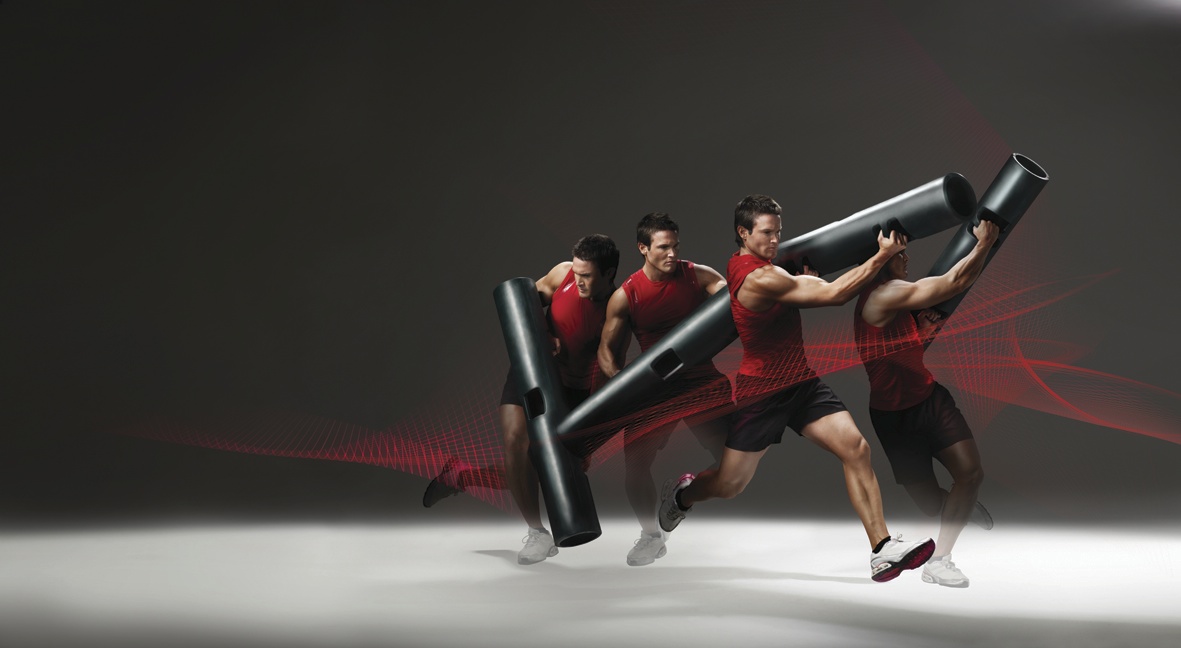
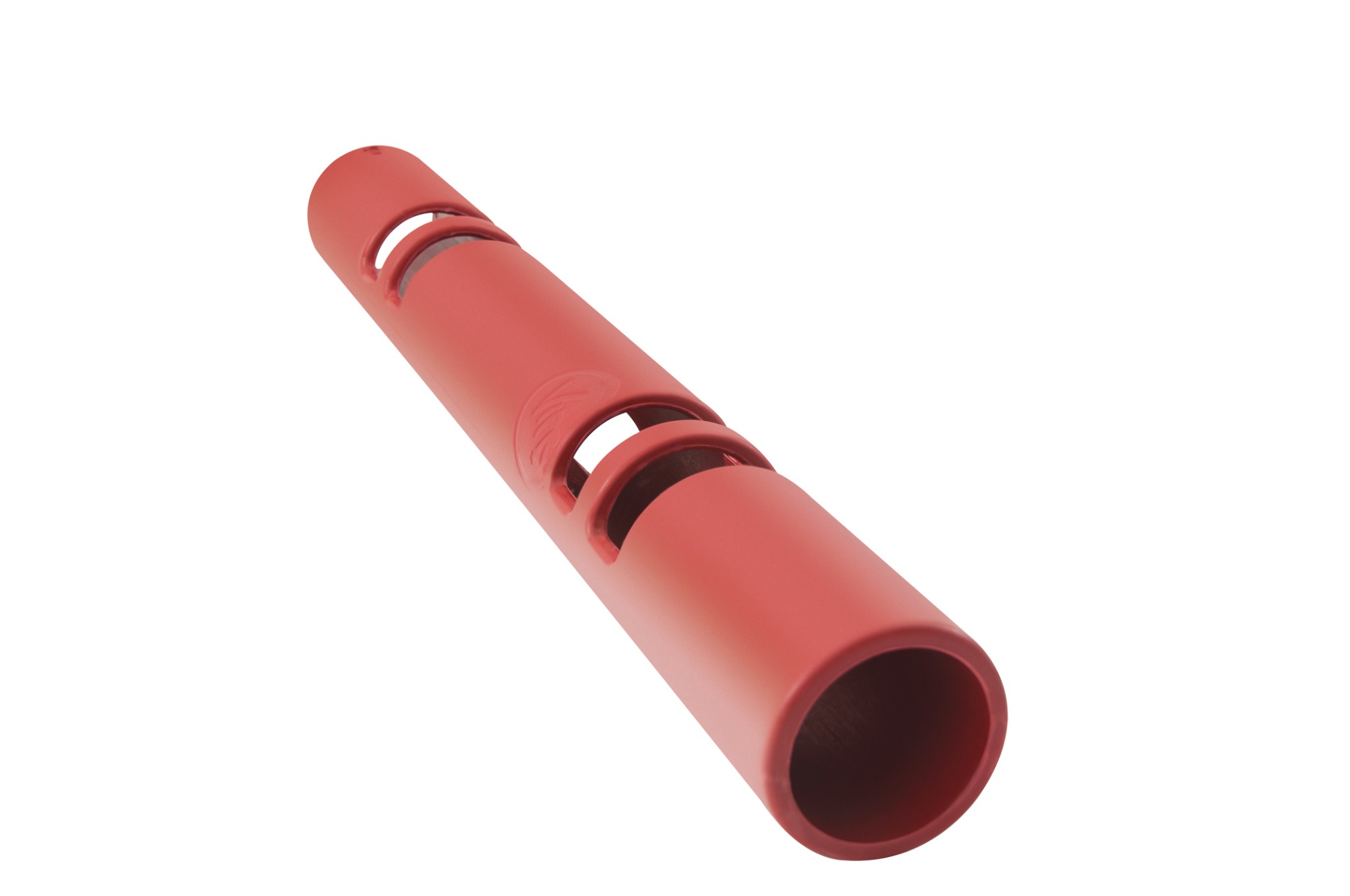
In physical training, the equipment offering the greatest variety is not always the most complicated. ViPR is one example: a durable rubber tube with integrated grips, designed to be lifted, moved, rotated, tilted and carried. This freedom makes it one of the most versatile functional training tools.
Where does ViPR come from?
The development of ViPR is associated with Michol Dalcourt, a movement specialist and the concept's creator. ViPR emerged in the late 2000s, when functional training increasingly emphasized integrated movement rather than isolated machine exercises. Its name brings together three goals — Vitality, Performance, Re-conditioning — vitality, performance and movement-based reconditioning.
The concept of Loaded Movement Training combines external resistance with movement through space: stepping, lunging, turning, shifting weight and performing athletic actions. Moving the object is not enough; we learn to coordinate the entire body while doing so.
Lift. Shift. Twist.
The methodology can be understood through three essential actions: Lift — raising the load; Shift — moving and transferring the load; Twist — rotating. Together, they produce a wider movement vocabulary than exclusively linear training.
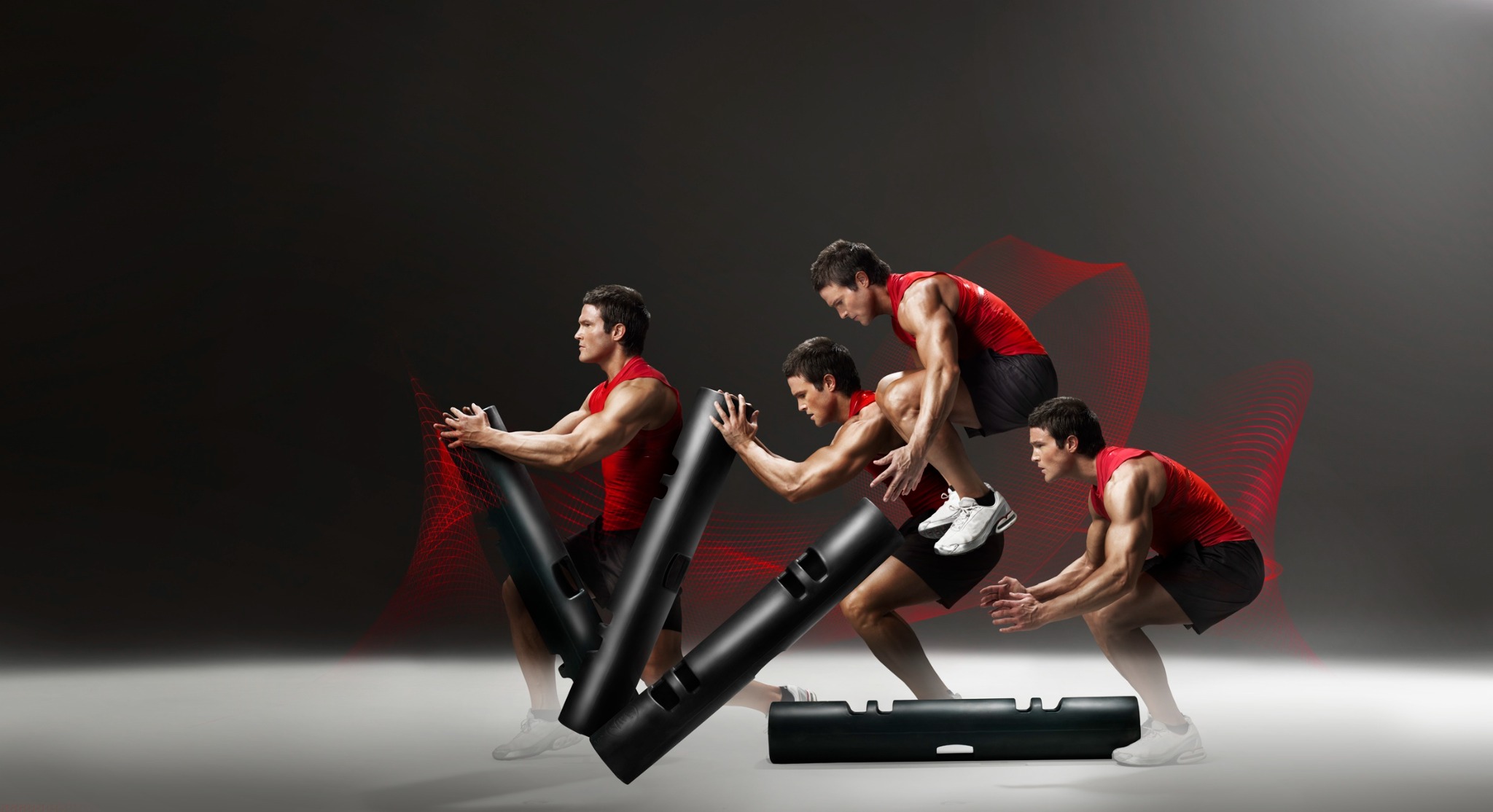
ViPR enables movements in the sagittal, frontal and transverse planes. For example, a lunge can be paired with trunk rotation, a lateral step with lifting the device, or a squat with shifting its weight. The priority is movement control, not simply repetition count.
Why is it so versatile?
The same tool can be used for one-to-one training, small groups, group fitness, athletic preparation and adapted programmes, with careful choices of load and range of motion. Instructors can change direction, speed, stance, grip, travel distance and rhythm without changing equipment.
ViPR simultaneously challenges limb coordination, trunk stability, dynamic balance and the ability to transfer force across body segments. This combination makes it valuable for movement education and as a bridge between strength training and athletic skill.
ViPR Beat. Resistance training to music.
In the FITEDUCATION educational archive, ViPR Beat represents the application of ViPR principles to group fitness. The programme combines functional exercises, coordination, teaching progressions and musical synchronization. The focus is on accessible, structured sessions adapted to participant levels.
The course manual also covers instructor communication, verbal and visual cueing, intensity management, symmetry, movement planes and building fluid sequences. It is an archival record of how FITEDUCATION turned a physical training tool into a teaching method.
Technique before intensity.
Progression begins with an appropriate weight and simple movement patterns. Complexity, speed and range increase only when participants demonstrate control. Equipment must be used according to the manufacturer's instructions and checked before each session; loading is selected according to individual ability.
The original ViPR Beat manual
Training manual in Romanian, 81 pages: grips, fundamental movements, lesson structure, teaching methodology and illustrated exercise examples. Archival material.
ViPR and ViPR Beat are trademarks of their respective owners. The manual is provided as an archival educational document.